
- Full SupportFor reservations at least a week before sailing from Lombok to Komodo boat 4 days 3 nights
- New UpdateFor trips to Komodo Island departing from Lombok Island and Labuan Bajo to Lombok using a cruise ship, things have returned to normal
- NewsFor travel to Komodo Island from Labuan Bajo has returned to normal, please secure your seat.
Komodo dragon diet
24 April 2026 565x Komodo Explore News, komodo island, komodo national park, Rinca island
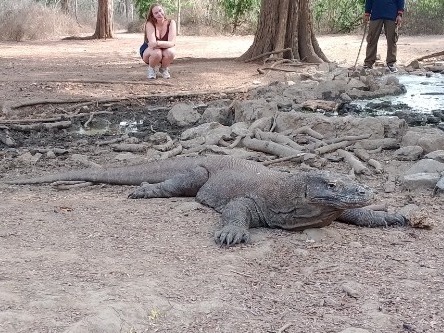
Komodo Dragon Diet: Shocking Facts About What These Giant Predators Really Eat
The Komodo dragon diet is one of the most fascinating wildlife topics in Indonesia. These giant reptiles are famous for their size, power, stealth, and ability to dominate the islands where they live. Many travelers joining a Komodo trip ask the same question: what exactly does a Komodo dragon eat? The answer is more surprising than most people expect. From deer and wild boar to carrion and smaller reptiles, Komodo dragons are opportunistic predators with powerful survival instincts.
Understanding the Komodo dragon diet helps visitors appreciate the balance of nature inside Komodo National Park. It also gives insight into why these animals became the apex predator of the region. If you are planning a Komodo trip from Labuan Bajo, learning about their feeding behavior can make your visit far more meaningful.
What Is a Komodo Dragon?
The Komodo dragon is the world’s largest living lizard. Scientifically known as Varanus komodoensis, it can grow over 3 meters long and weigh more than 70 kilograms in the wild. According to Wikipedia, the species is native to several Indonesian islands including Komodo, Rinca, Flores, Gili Motang, and Padar.
Because of their size and strength, Komodo dragons occupy the top of the food chain in their habitat. That means their diet is broad, strategic, and shaped by opportunity.
What Do Komodo Dragons Eat in the Wild?
The natural Komodo dragon diet includes both live prey and carrion. They are not picky eaters. They consume whatever provides enough energy while minimizing unnecessary risk.
Main Foods in the Komodo Dragon Diet
- Timor deer
- Wild boar
- Water buffalo
- Goats
- Birds and eggs
- Snakes
- Small mammals
- Dead animals (carrion)
- Young Komodo dragons
Yes, even cannibalism can occur, especially when food is scarce. Nature can be brutal, can’t it?
How Komodo Dragons Hunt Their Food
Komodo dragons are ambush predators. Instead of chasing prey over long distances, they wait silently near paths, water sources, or shaded areas. Once prey approaches, they explode forward with surprising speed.
They use:
- Sharp serrated teeth
- Strong neck muscles
- Powerful claws
- Excellent smell detection
- Patience and camouflage
Modern wildlife researchers often use GPS collars and motion-triggered cameras to study their hunting range and feeding timing.
The Role of Their Bite
Older myths suggested bacteria killed prey after the bite. Modern studies now show venom glands play an important role. Their bite can cause shock, blood loss, and rapid weakening.
Do Komodo Dragons Only Eat Meat?
Yes. Komodo dragons are carnivores. Their bodies are designed for digesting animal protein, fat, bones, and tissue. They do not rely on plants for nutrition.
Juvenile dragons may eat insects, geckos, rodents, and birds before moving to larger prey as adults.
How Much Can a Komodo Dragon Eat?
A Komodo dragon can consume up to 80% of its body weight in one feeding session. This is possible because they may not eat every day. Large meals help them survive long gaps between hunts.
After feeding, they often rest in shade while digesting.
How They Find Food From Far Away
Komodo dragons use their forked tongues like snakes. They flick the tongue into the air, collect scent particles, and analyze them through the Jacobson’s organ.
They can detect carrion from several kilometers away depending on wind direction. If you visit Komodo National Park, guides often explain this during ranger walks.
Komodo Dragon Diet by Age
Baby Komodo Dragons
- Insects
- Small lizards
- Eggs
- Tree-dwelling prey
Young dragons spend time in trees to avoid being eaten by adults.
Teenage Komodo Dragons
- Rodents
- Birds
- Snakes
- Small mammals
Adult Komodo Dragons
- Deer
- Boar
- Buffalo
- Carrion
- Large reptiles
Do Komodo Dragons Eat Humans?
Attacks on humans are rare but possible. Komodo dragons are wild predators and must be respected. Rangers in Komodo National Park guide visitors carefully, maintain distance, and monitor animal movement.
Tourists should always follow ranger instructions, never carry strong-smelling food openly, and avoid walking alone.
Why Their Diet Matters to the Ecosystem
The Komodo dragon diet helps regulate prey populations and clean carcasses from the environment. This supports healthier ecosystems and reduces disease spread.
Without apex predators, prey species can overpopulate and damage vegetation.
Best Places to Learn About Komodo Dragon Feeding Behavior
- Komodo Island
- Rinca Island
- Flores conservation centers
- Wildlife documentaries
- Educational ranger tours
According to travel updates shared by komodoexplore.com, guided trekking on Rinca Island is one of the safest and most informative ways to observe Komodo dragons in natural habitat.
Tools and Apps for a Better Komodo Trip
Useful Technology for Travelers
- Google Maps for Labuan Bajo logistics
- Windy App for marine weather
- Google Translate for local communication
- Offline map apps for island travel
- Camera zoom lens for wildlife viewing
Checking tide and weather apps before a boat trip can improve comfort and safety.
Common Myths About the Komodo Dragon Diet
Myth 1: They Only Eat Dead Animals
False. They actively hunt live prey.
Myth 2: They Need to Eat Daily
False. Large meals allow long fasting periods.
Myth 3: They Are Slow
False. Short bursts of speed can surprise prey.
How Tourists Can Respect Wildlife
- Never feed animals
- Keep distance
- Stay with ranger groups
- Do not litter
- Use zoom cameras instead of approaching
- Listen carefully to safety briefings
Planning a Komodo Trip Around Wildlife Education
If your goal is more than photos, choose tours that include ranger trekking, ecology briefings, snorkeling, and island conservation insights. Many travelers combine Padar viewpoints, Pink Beach, and dragon trekking in one itinerary.
Wouldn’t your trip feel richer if you understood the animals beyond just seeing them?
Conclusion
The Komodo dragon diet reveals why this reptile became one of Earth’s most extraordinary predators. They eat deer, boar, birds, reptiles, carrion, and whatever helps them survive harsh island conditions. Their hunting style, scent tracking, and ecological role make them far more complex than simple “giant lizards.”
If you are planning a Komodo trip, learning about their diet adds depth to every trek and ranger encounter. Have you ever seen a Komodo dragon in the wild, or would you like to? Share your thoughts and travel plans in the comments.

Maybe you are interested in reading the following article:

Komodo Tour by Bose: Explore the Wild Side of Indonesia
Komodo Tour Introduction: Discover Indonesia’s Last Wild Frontier Indonesia is home to over 17,000 islands, but one destination stands out for adventurers and nature lovers—the Komodo National Park. A Komodo boat tour by Bose offers a once-in-a-lifetime chance to explore this remote paradise, where ancient creatures roam free, coral reefs burst with colo... read more

7 Reasons Why Komodo Tourism Should Be on Your Bucket List!
7 Reasons Why Komodo Tourism Should Be on Your Bucket List! Are you planning an unforgettable vacation? If so, then Komodo Tourism should be on your priority list! Komodo Island, located in East Nusa Tenggara (NTT), is not just an ordinary tourist destination. It is a natural paradise that offers an extraordinary experience for travelers.... read more

Komodo Island Tour Package 3D2N: Sailing Through Islands
Where Adventure Meets Serenity There’s something timeless about the sea, the way it whispers ancient stories and carries the scent of freedom.And nowhere does that magic feel more alive than among the islands of Komodo National Park, where dragons still roam, and sunsets still paint the sky gold. The Komodo 3D2N Tour Package by Bose... read more

Komodo Luxury Cruise Lombok to L...
*Start Rp 7.000.000 / Pax


Komodo Luxury Cruise 4D3N: LBJ t...
*Start Rp 4.500.000 / Pax

Komodo Luxury 4D 3N Lombok To Ko...
*Start Rp 6.750.000 / Pax

Komodo Cruise Labuan Bajo to Lom...
*Start Rp 4.750.000 / Pax

Luxury Cruise Komodo departs fro...
*Start Rp 4.500.000 / Pax









Contact Us
If you have any questions, please contact us.
-
Hotline
62851-8392-9229 -
Whatsapp
085183929229 -
Email
labuanbajobooking@gmail.com


No comment yet