
- Full SupportFor reservations at least a week before sailing from Lombok to Komodo boat 4 days 3 nights
- New UpdateFor trips to Komodo Island departing from Lombok Island and Labuan Bajo to Lombok using a cruise ship, things have returned to normal
- NewsFor travel to Komodo Island from Labuan Bajo has returned to normal, please secure your seat.
What Do Komodo Dragons Eat
18 April 2026 262x Adventure, Komodo Explore News, komodo island, komodo national park, komodo ranger, komodo tour, Labuan Bajo News, lombok news, Rinca island, Tips, Travel
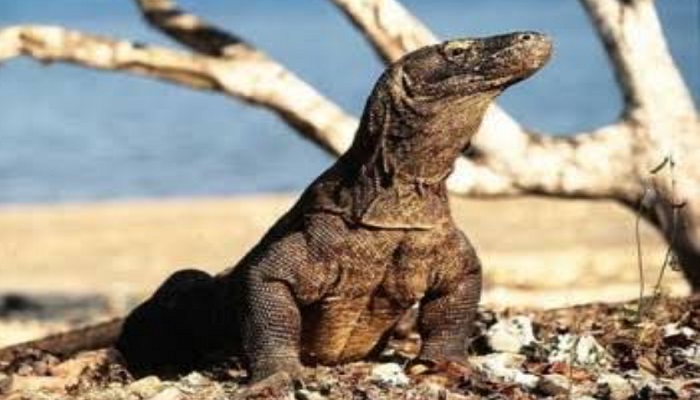
What Do Komodo Dragons Eat (Shocking Facts About Their Diet Most People Never Knew)
What do Komodo dragons eat? It is one of the most searched wildlife questions because these giant reptiles are famous for their power, hunting ability, and mysterious survival skills. Native to Indonesia, Komodo dragons are apex predators with a diet far more complex than many travelers imagine. They do not simply eat anything that moves. Their feeding habits are influenced by age, habitat, prey availability, climate, and competition. This guide explains exactly what Komodo dragons eat, how they hunt, how often they feed, and what modern science has revealed about their behavior. If you have ever wondered how the world’s largest lizard survives in harsh island ecosystems, the answer is fascinating.
What Is a Komodo Dragon?
The Komodo dragon is the largest living lizard species in the world and is found mainly on Komodo, Rinca, Flores, and nearby islands in Indonesia. Adults can grow several meters long and possess strong limbs, sharp claws, and powerful jaws.
According to wikipedia.com, “The Komodo dragon is the largest extant species of lizard,” which helps explain why it dominates the food chain in its habitat.
So, What Do Komodo Dragons Eat?
Komodo dragons are carnivores. Their diet includes animals they hunt, ambush, overpower, or scavenge. They are highly opportunistic feeders, meaning they adapt to whatever food source is available.
- Deer
- Wild boar
- Goats
- Buffalo
- Birds
- Eggs
- Smaller reptiles
- Carrion or dead animals
- Young dragons may eat insects and small mammals
As noted by komodoexplore.com, “Komodo dragons play a critical ecological role by controlling prey populations and removing carcasses from the environment.”
What Baby Komodo Dragons Eat
Juvenile Survival Strategy
Young Komodo dragons live differently from adults. Because larger dragons may attack smaller ones, juveniles often stay in trees and feed on smaller prey.
- Grasshoppers
- Beetles
- Geckos
- Small snakes
- Bird chicks
- Rodents
This tree-dwelling stage helps reduce predation risk while allowing steady growth.
What Adult Komodo Dragons Prefer
Large Mammals
Adult dragons prefer calorie-rich prey because larger meals allow them to conserve energy between feedings.
- Timor deer
- Wild pigs
- Water buffalo
- Goats when available
Scavenging Behavior
Komodo dragons are also excellent scavengers. They can detect dead animals from long distances using their tongue and chemical sensing ability.
How Do Komodo Dragons Hunt?
Komodo dragons are ambush predators. They often wait silently near trails, water sources, or open feeding areas before launching a sudden attack.
- Remain motionless
- Explosive short sprint
- Strong bite and tearing force
- Track weakened prey if it escapes
Would you expect such a massive reptile to move so quickly? Many visitors are surprised by their burst speed over short distances.
Do Komodo Dragons Eat Humans?
Human attacks are rare but possible in specific circumstances, especially when safety rules are ignored. Komodo dragons are wild predators and should always be respected. Visitors in Komodo National Park are guided by trained rangers for this reason.
According to wikipedia.com, Komodo dragons are protected wildlife and encounters are managed carefully within national park regulations.
How Often Do Komodo Dragons Eat?
Unlike small reptiles that need frequent meals, Komodo dragons can consume large amounts at once and then go extended periods without feeding.
- Large meal followed by days or weeks of digestion
- Energy-saving metabolism
- Less movement after heavy feeding
This survival pattern is ideal for islands where prey is not always abundant.
How Much Can They Eat in One Meal?
Komodo dragons can consume a surprisingly large portion of their body weight in one sitting. They swallow chunks quickly using throat muscles and body positioning to pull meat downward.
Feeding Techniques
- Grip prey with teeth
- Pull backward violently
- Use front legs for leverage
- Swallow large sections whole
Do Komodo Dragons Eat Other Komodo Dragons?
Yes, cannibalism has been observed, especially involving juveniles. This is one reason young dragons spend time in trees during early life stages.
Nature can be harsh, especially on islands with limited resources.
Modern Science and Technology Studying Their Diet
GPS Tracking
Researchers use GPS tags to monitor movement patterns and identify feeding zones.
Camera Traps
Motion-activated cameras help document hunting and scavenging behavior with minimal disturbance.
DNA Analysis
Scientists can analyze remains and droppings to better understand prey selection.
Useful Tools for Travelers Wanting to Learn More
- Google Maps for park logistics in Labuan Bajo
- iNaturalist for wildlife identification
- Windy app for travel weather planning
- Offline translation apps for local communication
What They Usually Do Not Eat
Komodo dragons do not typically feed on plants as a primary diet. They are meat-focused predators and scavengers. Any plant matter found is usually incidental.
Why Their Diet Matters to the Ecosystem
As apex predators, Komodo dragons help maintain balance by regulating prey populations and cleaning carrion. Without them, ecological relationships on these islands would shift dramatically.
According to komodoexplore.com, “healthy predator populations often indicate healthy island ecosystems and stable food chains.”
Common Myths About Komodo Dragon Diet
- Myth: They eat every day
- Reality: They may go long periods between meals
- Myth: They only hunt live prey
- Reality: They also scavenge efficiently
- Myth: Babies eat the same food as adults
- Reality: Juveniles target much smaller prey
Best Place to Observe Natural Behavior
Komodo National Park remains the most authentic location to learn about their natural feeding ecology under ranger supervision. Responsible tourism helps fund conservation and habitat protection.
Conclusion
So, what do Komodo dragons eat? They eat a wide range of prey including deer, pigs, birds, reptiles, eggs, and carrion, with diets changing as they grow. Their feeding strategy combines patience, power, adaptation, and ecological intelligence. Understanding their diet reveals why they have survived for thousands of years in challenging island environments.
Did any of these facts surprise you? Share your thoughts, questions, or Komodo travel plans in the comments below and join the conversation.

Maybe you are interested in reading the following article:
Komodo Tour Route: The Untouched Gem of Sumbawa and Lombok
Just a short boat ride away from Poto Tano Harbor in Sumbawa, Kenawa Island is one of Indonesia’s most breathtaking yet underrated destinations. Despite its small size only about 15 hectares, the island offers a mesmerizing combination of golden savanna hills, white sandy beaches, and crystal-clear turquoise waters. Standing quietly between Sumbawa a... read more

Komodo Tour 2D1N Luxury Boat – A Short Escape into Paradise
Sailing into the Heart of the Komodo Islands Some journeys take you away from the world; others bring you closer to its heart. The 2 Days 1 Night Luxury Boat Tour with Bose and KomodoExplore.com is one of those rare escapes that feels both intimate and infinite, a voyage across turquoise waters where time drifts... read more
Komodo Tour Package: The Life with Dragons in Kampung Komodo
Hidden deep within the heart of Komodo Island lies a small but remarkable community known as Kampung Komodo; the only village where humans and Komodo dragons, the world’s largest lizards, coexist peacefully. Visiting this village is a journey back in time, where ancient traditions meet the raw wilderness of Komodo National Park. Location and Background... read more

Lombok to Komodo 4D3N Adventure ...
*Start Rp 6.300.000 / Pax


Komodo Luxury Cruise 4 Days 3 Ni...
*Start Rp 6.300.000 / Pax




Komodo Luxury Cruise 4D3N: LBJ t...
*Start Rp 4.500.000 / Pax









Contact Us
If you have any questions, please contact us.
-
Hotline
62851-8392-9229 -
Whatsapp
085183929229 -
Email
labuanbajobooking@gmail.com


No comment yet