
- Full SupportFor reservations at least a week before sailing from Lombok to Komodo boat 4 days 3 nights
- New UpdateFor trips to Komodo Island departing from Lombok Island and Labuan Bajo to Lombok using a cruise ship, things have returned to normal
- NewsFor travel to Komodo Island from Labuan Bajo has returned to normal, please secure your seat.
Is a komodo dragon is a lizard
20 April 2026 233x komodo island
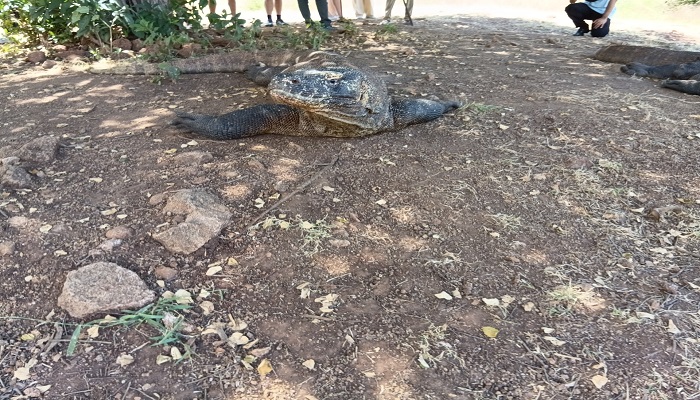
Is a Komodo Dragon Is a Lizard (The Surprising Truth About This Giant Reptile)
Is a Komodo dragon is a lizard? Although the phrase may sound simple, the answer opens the door to one of the most fascinating wildlife topics in the world. Yes, the Komodo dragon is a lizard, but it is no ordinary one. It is the largest living lizard on Earth, a powerful predator, an intelligent scavenger, and a species that has adapted perfectly to the harsh island ecosystems of Indonesia. Many people imagine lizards as small wall-climbing reptiles, so learning that a Komodo dragon belongs to the same broad reptile group can be surprising. This complete guide explains why the Komodo dragon is classified as a lizard, how it differs from common lizards, what science says, and why it matters to travelers and nature lovers today.
Yes, the Komodo Dragon Is a Lizard
The direct answer is yes. A Komodo dragon belongs to the lizard group within the reptile class. More specifically, it is part of the monitor lizard family known as Varanidae. That means Komodo dragons are closely related to other monitor lizards found across Asia, Africa, and Australia.
According to wikipedia.com, “The Komodo dragon is the largest extant species of lizard,” confirming its scientific place in the animal kingdom.
Why People Get Confused
Many people hesitate to call a Komodo dragon a lizard because it looks so different from small household lizards. Size, strength, and behavior make it seem like a completely separate creature.
- Much larger than common lizards
- Strong jaws and muscular body
- Predatory hunting behavior
- Lives in wild island habitats
Would you normally compare a tiny gecko on a wall with a giant predator weighing over one hundred kilograms?
Scientific Classification of the Komodo Dragon
Animal Kingdom Breakdown
- Kingdom: Animalia
- Class: Reptilia
- Order: Squamata
- Family: Varanidae
- Genus: Varanus
This places the Komodo dragon firmly among lizards and snakes under the order Squamata.
What Makes a Lizard a Lizard?
Lizards generally share several biological traits. Komodo dragons display these traits clearly.
- Scaly skin
- Cold-blooded metabolism
- Egg-laying reproduction
- External ear openings
- Movable eyelids in many species
- Long tail and four limbs
Komodo dragons fit this pattern, even if they do so on a giant scale.
How Komodo Dragons Differ from Common Lizards
Size Difference
Most people think of lizards as small reptiles, but Komodo dragons can grow several meters long.
Behavior Difference
Unlike many insect-eating lizards, Komodo dragons are apex predators and scavengers.
Habitat Difference
They live in dry savannah forests, coastal zones, and rugged islands in Indonesia.
As noted by komodoexplore.com, “Komodo dragons evolved in isolated island ecosystems where large size and adaptability created a powerful survival advantage.”
Where Komodo Dragons Live
Komodo dragons naturally occur on a limited number of Indonesian islands, especially within Komodo National Park.
- Komodo Island
- Rinca Island
- Flores
- Nearby smaller islands
What Do Komodo Dragons Eat?
As giant monitor lizards, they are carnivores. Their diet includes prey animals and carrion.
- Deer
- Wild boar
- Birds
- Eggs
- Smaller reptiles
- Dead animals
How They Behave Like Lizards
Sun Basking
Komodo dragons use sunlight to warm their bodies, a classic reptile behavior.
Tongue Scenting
Like many monitor lizards, they flick their tongue to detect scent particles.
Egg Laying
Females lay eggs in nests rather than giving live birth.
Modern Technology Used to Study Them
GPS Tracking
Researchers use GPS devices to understand territory movement and behavior.
Camera Traps
Remote cameras capture feeding and travel patterns.
Drone Mapping
Authorized conservation teams may map habitat zones for protection planning.
Useful Tools for Travelers Wanting to See Komodo Dragons
- Google Maps for Labuan Bajo navigation
- Windy for weather forecasts
- Traveloka for transport booking
- Offline translation apps for local travel
Common Myths About Komodo Dragons
- Myth: They are dinosaurs
- Reality: They are modern reptiles, specifically lizards
- Myth: They are dragons, not animals
- Reality: “Dragon” is a nickname, not a scientific category
- Myth: They are unrelated to smaller lizards
- Reality: They share ancestry with monitor lizards
Why Classification Matters
Understanding that Komodo dragons are lizards helps people appreciate evolution, biodiversity, and reptile adaptation. It also shows how one animal group can develop dramatically different sizes and lifestyles.
According to wikipedia.com, island ecosystems often drive unique evolutionary outcomes, which helps explain the Komodo dragon’s exceptional form.
Best Place to Learn in Real Life
Komodo National Park and reputable conservation centers offer the best opportunities to learn about these animals responsibly through ranger-led experiences.
Travel Tip for Visitors
If visiting from Bali or Labuan Bajo, choose licensed tours, carry water, wear sun protection, and always follow ranger instructions around wildlife.
Conclusion
So, is a Komodo dragon a lizard? Absolutely yes. It is not just a lizard, but the largest living lizard on Earth and one of nature’s most extraordinary reptiles. Its massive size, hunting ability, and island survival skills make it seem different from common lizards, yet science clearly places it within the lizard family tree. Knowing this adds even more wonder to every Komodo dragon sighting.
Did this answer surprise you, or did you already know the world’s most famous dragon is actually a lizard? Share your thoughts or questions in the comments below.

Maybe you are interested in reading the following article:

Private Komodo Boat Tour Only Way to Truly Discover Paradise
Every dedicated traveler has seen the familiar, stunning photographs: the iconic tri-colored, serpentine bays of Padar Island, the prehistoric, intimidating gaze of the legendary Komodo dragon, and the impossible, dreamlike pink hue of a legendary beach. These powerful images instantly spark a universal dream of profound adventure and discovery in one of the... read more

Kayangan of Lombok: Your Eastern Gateway to Sumbawa & Beyond
Discover Kayangan Port in East Lombok Located on the eastern coast of Lombok Island, Kayangan Port (Indonesian: Pelabuhan Kayangan) serves as a vital maritime hub connecting Lombok to Sumbawa Island and other destinations in eastern Indonesia. While less known than Lembar or Bangsal ports, Kayangan plays a crucial role in inter-island travel, logistics, and ... read more

Inside a Komodo Village: Sea and Scales, Legend and Life
komodo tours, komodo tour from lombok, komodo tour package, komodo tour from bali, Komodo dragon island in Indonesia, Lombok Komodo tour, Komodo boat trip, Komodo tour 1 day full trip, Komodo tour 3 days 2 nights, Komodo tour 4D3N, Komodo tour 2D1N, Komodo sailing trip Indonesia, Komodo luxury boat trip, Komodo tour from Labuan Bajo,... read more

Luxury Komodo Cruise 4D 3N – L...
*Start Rp 4.725.000 / Pax


Komodo Luxury Cruise 4 Days 3 Ni...
*Start Rp 6.300.000 / Pax
Lombok To Komodo Boat Tour 4d 3n...
*Start Rp 6.300.000 / Pax


Komodo Cruise Labuan Bajo to Lom...
*Start Rp 4.750.000 / Pax









Contact Us
If you have any questions, please contact us.
-
Hotline
62851-8392-9229 -
Whatsapp
085183929229 -
Email
labuanbajobooking@gmail.com


No comment yet