
- Full SupportFor reservations at least a week before sailing from Lombok to Komodo boat 4 days 3 nights
- New UpdateFor trips to Komodo Island departing from Lombok Island and Labuan Bajo to Lombok using a cruise ship, things have returned to normal
- NewsFor travel to Komodo Island from Labuan Bajo has returned to normal, please secure your seat.
Komodo dragon behavior
20 April 2026 546x komodo tour
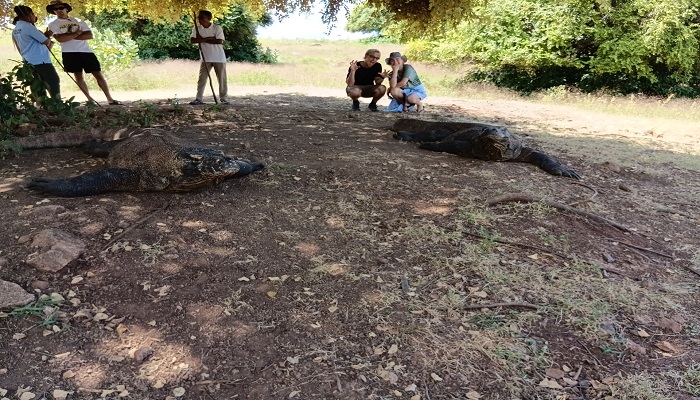
Komodo Dragon Behavior (Hidden Survival Secrets That Make These Giants So Fascinating)
Komodo dragon behavior is one of the most intriguing wildlife topics in the world because these ancient reptiles combine patience, intelligence, strength, and surprising adaptability. Found mainly in Indonesia, Komodo dragons are not simply aggressive predators as many people assume. Their daily routines include strategic movement, temperature control, social signaling, hunting decisions, territorial awareness, and complex survival habits shaped by harsh island environments. This complete guide explains Komodo dragon behavior in a modern, practical, and engaging way so travelers, students, and wildlife enthusiasts can better understand how these reptiles truly live. If you have ever wondered what a Komodo dragon does when nobody is watching, the answers are remarkable.
What Is a Komodo Dragon?
The Komodo dragon is the largest living lizard species and one of Indonesia’s most iconic animals. It lives mainly on Komodo Island, Rinca Island, Flores, and several nearby islands.
According to wikipedia.com, “The Komodo dragon is the largest extant species of lizard,” making it one of the planet’s most impressive reptiles.
Daily Komodo Dragon Behavior
Morning Activity
Komodo dragons often become more active in the morning after warming themselves in sunlight. As cold-blooded reptiles, they rely on external heat to increase body efficiency.
- Basking in open areas
- Slow exploratory walking
- Searching for scent trails
Midday Resting
During hotter hours, they frequently move into shade to avoid overheating.
- Rest under trees
- Stay near rocky shelter
- Reduce movement to conserve energy
Late Afternoon Movement
As temperatures cool, movement often increases again.
How Komodo Dragons Hunt
Komodo dragons are strategic predators. They often rely on patience instead of constant chasing. Their hunting behavior combines stealth, timing, and short bursts of power.
- Wait near animal paths
- Use scent cues
- Ambush prey suddenly
- Track weakened animals
Would you expect such a large reptile to be so patient and calculated?
As noted by komodoexplore.com, “many sightings show dragons conserving energy for the right moment rather than moving constantly.”
Feeding Behavior
When food is available, Komodo dragons can feed intensely and quickly. They tear meat using strong neck muscles and sharp teeth.
- Consume large meals at once
- Compete with nearby dragons
- Return to resting after feeding
Scavenging Intelligence
They also scavenge carcasses, helping clean the ecosystem and reducing waste in nature.
Territorial and Social Behavior
Komodo dragons are often solitary but not completely anti-social. They may gather around food sources or water areas, where hierarchy can appear.
Dominance Displays
- Raised posture
- Tail positioning
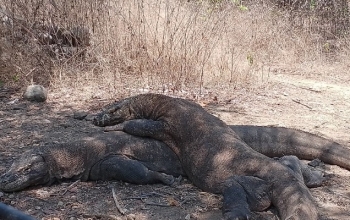
- Pushing or wrestling
Avoidance Strategy
Smaller dragons often avoid larger individuals to reduce risk.
Juvenile Komodo Dragon Behavior
Young dragons behave differently from adults. They spend more time in trees because larger dragons may prey on them.
- Climbing skill
- Quick movement
- Hunting insects and small reptiles
This tree-based survival strategy is one of nature’s smartest adaptations.
Temperature and Sun Behavior
Because they are reptiles, temperature strongly influences movement, digestion, and hunting activity.
- Sun basking in cooler hours
- Shade seeking in heat
- Reduced movement in extreme temperatures
Swimming and Movement Behavior
Komodo dragons are stronger movers than many people realize. They can swim between islands and cover surprising distances on land.
- Cross shallow channels
- Travel for food
- Move between habitats
Could a giant lizard really swim across island waters? Yes, and that ability helps explain their distribution.
Defensive Behavior
When threatened, Komodo dragons may hiss, widen posture, charge briefly, or retreat depending on the situation.
- Warning stance
- Rapid movement burst
- Tail use for balance and defense
Komodo Dragon Behavior Around Humans
Wild dragons should always be treated with caution. In protected tourism areas, trained rangers guide visitors and maintain safe distance protocols.
According to wikipedia.com, Komodo dragons are protected species managed within conservation zones.
Breeding and Nesting Behavior
Mating Season Competition
Males may wrestle for access to females, using body strength rather than nonstop biting.
Nesting Behavior
Females choose secure nesting sites and may guard eggs for a period.
- Burrow selection
- Camouflage preference
- Protective alertness
Modern Technology Used to Study Their Behavior
GPS Tracking
Researchers monitor movement patterns and territory ranges.
Camera Traps
Remote cameras capture natural behavior without disturbance.
Drone Observation
Drones can help study landscape movement patterns when used responsibly by authorized teams.
Useful Tools for Travelers and Wildlife Enthusiasts
- Google Maps for Labuan Bajo planning
- Windy for weather forecasts
- iNaturalist for wildlife learning
- Offline translation apps for local travel
Common Myths About Komodo Dragon Behavior
- Myth: They attack everything they see
- Reality: They often conserve energy and avoid unnecessary conflict
- Myth: They are slow
- Reality: They can sprint in short bursts
- Myth: They live only alone
- Reality: They may gather around food sources
Why Their Behavior Matters to Ecosystems
As apex predators and scavengers, Komodo dragons help regulate prey populations and remove carcasses. Their behavior supports ecological balance across island habitats.
As highlighted by komodoexplore.com, “healthy predator behavior often signals a healthy natural system.”
How Visitors Should Respond During Sightings
- Stay calm
- Keep safe distance
- Follow ranger instructions
- Do not feed wildlife
- Do not run independently
Conclusion
Komodo dragon behavior is far more sophisticated than the common image of a dangerous reptile. These animals manage heat, conserve energy, assess risk, compete strategically, raise young through survival instinct, and maintain ecological balance through predatory and scavenging roles. Understanding their behavior creates deeper respect for one of Earth’s most extraordinary species.
Which behavior surprised you most—tree-climbing juveniles, island swimming, or patient hunting tactics? Share your thoughts or questions in the comments below and join the discussion.

Maybe you are interested in reading the following article:
Tour to Komodo Island – Komodo Luxury Cruise
how to get komodo island from labuan bajo, bose-komodo luxury cruise, komodo tour, komodo tour package, lombok komodo tour, komodo tour operator, best komodo tour, komodo tour 3 days 2 night, komodo tour from lombok, full day komodo tour, labuan bajo komodo tour, best komodo tour packages, flores komodo tour, komodo tour from cruise ship,... read more

The Specific 3D2N itinerary for your upcoming Luxury Cruise
3 DAY KOMODO BOAT TOUR ITINERARY You start this journey from Labuan Bajo. This is the most efficient way to see the park. You save time and money. This plan covers the best spots for a 3 day komodo boat tour. DAY 1: THE GATEWAY AND THE GIANTS 10:00: Departure. You meet your crew at... read more

Kelor island
Kelor Island (Hidden Paradise Near Labuan Bajo You Need to Visit Before Everyone Else) Kelor Island is one of the most beautiful and accessible tropical escapes near Labuan Bajo, making it a favorite stop on Komodo boat tours and private island-hopping trips. Famous for its short panoramic hill trek, crystal-clear water, white sand beach, and... read more

Komodo Luxury Cruise Lombok to L...
*Start Rp 7.000.000 / Pax


Komodo Luxury Cruise 4D3N: LBJ t...
*Start Rp 4.500.000 / Pax

Labuan Bajo, Flores to Lombok 4D...
*Start Rp 6.500.000 / Pax

Luxury Komodo Cruise 4D 3N – L...
*Start Rp 4.725.000 / Pax

Lombok to Komodo 4D3N Adventure ...
*Start Rp 6.300.000 / Pax

Lombok To Komodo Boat Tour 4d 3n...
*Start Rp 6.300.000 / Pax









Contact Us
If you have any questions, please contact us.
-
Hotline
62851-8392-9229 -
Whatsapp
085183929229 -
Email
labuanbajobooking@gmail.com


No comment yet