
- Full SupportFor reservations at least a week before sailing from Lombok to Komodo boat 4 days 3 nights
- New UpdateFor trips to Komodo Island departing from Lombok Island and Labuan Bajo to Lombok using a cruise ship, things have returned to normal
- NewsFor travel to Komodo Island from Labuan Bajo has returned to normal, please secure your seat.
The Exclusive World of the Komodo Dragon In Indonesia
23 December 2025 315x Adventure, Boat Trip Komodo, Komodo Boats Tour, Tips

The Komodo dragon is only found in Indonesia. This is a scientific fact. You can search the entire world and you will not find them in the wild anywhere else. This reptile is the largest lizard on Earth. It lives on a few small islands in the East Nusa Tenggara province. These islands include Komodo, Rinca, Gili Motang, and Nusa Kode. You can also find them in certain coastal areas of Flores. This animal is a national treasure for Indonesia. It is a living link to a prehistoric past.
The geography of Indonesia created the Komodo dragon. Millions of years ago, the sea levels were lower. Land bridges connected Australia and Asia. Ancestors of the giant monitor lizard moved across these bridges. When the ice ages ended, the sea levels rose. The water cut off these islands from the rest of the world. The dragons became isolated. This isolation protected them. Large predators like tigers or lions never reached these islands. The Komodo dragon became the apex predator. It grew to a massive size. This process is called island gigantism. Today, the dragon rules its small kingdom.
The Five Islands Of The Dragon
You can only witness these creatures in five specific locations. Each location offers a different look at their life.
- Komodo Island This is the largest island in the park. It covers about 390 square kilometers. It is the most famous place to see the dragons. You will find them in the dry savanna and the monsoon forests. The population here is stable but requires protection.
- Rinca Island Rinca is closer to the town of Labuan Bajo. It is smaller than Komodo Island. However, it has a high density of dragons. You are very likely to see a dragon here. The landscape has rolling hills and sparse trees. This makes it easier to spot the animals from a distance.
- Gili Motang and Nusa Kode These are very small islands. They are remote and quiet. Fewer tourists visit these spots. These islands are important for the genetic diversity of the species. Scientists monitor these populations closely. They ensure the dragons do not suffer from inbreeding.
- Flores Island Flores is a large island. The dragons live on the western and northern coasts. You can find them in nature reserves like Wae Wuul and Riung. These areas are outside the main national park boundaries. The dragons here face more threats from human activity. Farmers and dragons sometimes cross paths. Conservation groups work with locals to prevent conflict.
Biology of an Apex Predator
The Komodo dragon is a biological marvel. It can grow up to 3 meters long. It can weigh more than 70 kilograms. You might think they are slow. They are not. A dragon can run up to 20 kilometers per hour in short bursts. They are also excellent swimmers. They can move between islands if the distance is short.
The dragon has a powerful sense of smell. It uses its long and forked tongue to taste the air. It can detect the smell of a dead animal from 9 kilometers away. It does not use its nose to smell like you do. It uses an organ on the roof of its mouth. This organ is called the Jacobson organ. It tells the dragon which direction the food is located.
For a long time, people thought the dragon used dirty bacteria to kill. They believed the dragon bit its prey and waited for an infection to set in. Scientists now know this is false. The Komodo dragon has complex venom glands. The venom is an anticoagulant. It prevents the blood of the prey from clotting. The prey dies from a drop in blood pressure and massive blood loss. This makes the dragon a very efficient hunter.
The Diet of the Dragon
The Komodo dragon is a carnivore. It eats almost anything it can find. Young dragons live in trees to stay safe. They eat insects, birds, and small lizards. As they grow, they move to the ground. Adults hunt large animals. Their main prey is the Timor deer. They also hunt wild boars and water buffalo.
The dragon is a patient hunter. It uses camouflage to hide in the grass. It waits for an animal to walk past. Then it strikes with a fast bite. The dragon can eat a huge amount of food in one sitting. It can consume 80 percent of its own body weight in a single meal. After a big meal, the dragon can go for weeks without eating again. It has a very slow metabolism.
Reproduction and the Virgin Birth
The life cycle of the dragon is fascinating. Mating season usually happens between May and August. Males fight each other for the right to mate. They stand on their hind legs and use their tails for balance. They wrestle until one male falls over.
Females lay around 20 to 30 eggs in September. They often use the abandoned nests of megapode birds. The eggs hatch after seven or eight months. The babies are about 40 centimeters long. They immediately climb into the trees. They stay there for several years to avoid being eaten by adult dragons.
The Komodo dragon has a secret ability. It can reproduce without a male. This is called parthenogenesis. Scientists discovered this in zoos. A female can lay fertile eggs even if she has never met a male. All the babies from a virgin birth will be male. This helps the species survive if a female ends up on a new island alone.
Conservation Status In 2025
The IUCN lists the Komodo dragon as Endangered. This is a serious warning. The wild population is small. There are only about 3,300 to 3,500 individuals left in the wild. Several factors threaten their survival.
Climate change is the biggest threat. Sea levels are rising. This will flood the coastal valleys where the dragons live. Some scientists predict they could lose 70 percent of their habitat by 2050. Habitat loss from human activity is another problem. People clear land for farms. This leaves less room for the dragons.
Poaching is also a concern. People hunt the Timor deer. If there are no deer, the dragons have nothing to eat. The Indonesian government takes this seriously. They have strict laws against hunting in the park. They use rangers to patrol the islands.
New Tourism Regulations For 2026
The government is changing how you visit the park. In 2024, more than 300,000 people visited Labuan Bajo. This is too many for a small area. The environment is under pressure.
Starting in April 2026, the government will cap visitors at 1000 per day. They are testing this system right now in December 2025. They want to move toward quality tourism. They want visitors to have a better experience. They also want to protect the animals from stress.
You will have to book your spot in advance. The daily limit will be divided into three sessions. Each session will allow about 330 people. This will prevent crowds at popular spots like Padar Island. If you plan a Komodo tour from Labuan Bajo, you must check these new rules. You should book your tour months in advance to get a slot.
How to See The Dragons Responsibly
You can visit the park through various tours. A Komodo tour 1 day full trip is common. You can also choose a Komodo tour 3 days 2 nights for a deeper experience. Most tours start in Labuan Bajo. You can fly there from Bali or Jakarta.
You must follow the rules for your safety. Always stay with your ranger. Do not wander off the path. The dragons are wild animals. They can be dangerous if they feel threatened. Keep a distance of at least 5 meters. Do not make loud noises or sudden movements.
If you are a woman on your period, you must tell the ranger. The dragons have an incredible sense of smell for blood. The ranger will keep an extra eye on you for safety. Do not bring food onto the islands. The smell will attract the animals.
Planning Your Pilgrimage
Visiting the Komodo dragon is more than a holiday. It is a chance to see a species that exists nowhere else. It is a reminder of how diverse our planet is. You are supporting the local economy when you visit. You are also helping fund conservation.
The best time to visit is the dry season. This is from April to October. The weather is clear. The trails are dry. You can see the dragons basking in the sun. If you visit during the rainy season, the islands turn green and beautiful. However, some boat trips might be cancelled if the waves are too high.
The Komodo dragon belongs to Indonesia. It is a symbol of the nation’s natural heritage. You can see tigers in many countries. You can see elephants in many places. You can only see the Komodo dragon here. This exclusivity makes the journey worth it. You will walk on volcanic soil. You will see the dragon move like a dinosaur. You will realize that some things are unique to one place. Indonesia is the only home for the world’s most famous dragon.

Maybe you are interested in reading the following article:
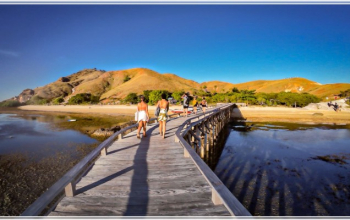
Why a Komodo Island Tour Should Be on Your Bucket List 2026
By Bose Komodo Explore – www.komodoexplore.com Experience the Adventure of a Lifetime in Komodo National Park If you’re planning your next unforgettable adventure, a Komodo Island Tour deserves a top spot on your 2026 travel bucket list. Located in eastern Indonesia, Komodo National Park is one of the world’s most extraordinary destinations, of... read more

Gili Banta: The Forbidden Isle and Komodo’s Best Kept Secret
The standard Komodo tour from Labuan Bajo itinerary follows a well-worn, familiar path: a challenging pre-dawn hike up the slopes of Padar Island, a cautious, guided stroll with the dragons on Rinca, and a hopeful search for manta rays at Manta Point. These experiences are undeniably magnificent, yet they are widely shared. They belong firmly... read more

How to Choose the Perfect Komodo Tour for Your Travel Style
Because no two travelers—and no two boats—are alike. Planning a Komodo boat tour? With so many tour types available—budget, luxury, adventure-packed, or nature-focused—choosing the right one can feel like navigating a maze. But don’t worry—we’ve broken it down by travel style, so you can find the perfect fit for your adventure in Komodo Nationa... read more
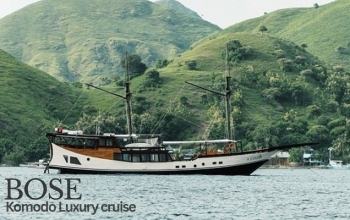

Komodo Cruise Labuan Bajo to Lom...
*Start Rp 4.750.000 / Pax


Lombok Komodo Boat Tour Open Tri...
*Start Rp 6.300.000 / Pax


Lombok To Komodo Boat Tour 4d 3n...
*Start Rp 6.300.000 / Pax

Lombok to Komodo 4D3N Adventure ...
*Start Rp 6.300.000 / Pax










Contact Us
If you have any questions, please contact us.
-
Hotline
62851-8392-9229 -
Whatsapp
085183929229 -
Email
labuanbajobooking@gmail.com


No comment yet