
- Full SupportFor reservations at least a week before sailing from Lombok to Komodo boat 4 days 3 nights
- New UpdateFor trips to Komodo Island departing from Lombok Island and Labuan Bajo to Lombok using a cruise ship, things have returned to normal
- NewsFor travel to Komodo Island from Labuan Bajo has returned to normal, please secure your seat.
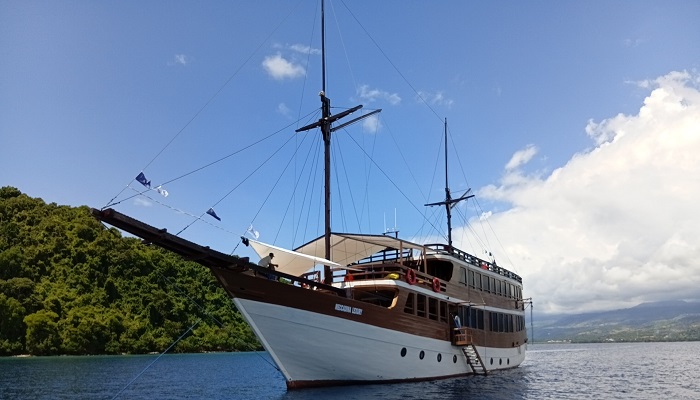
The Ultimate Journey That Will Change Your Life Forever
Embarking on a komodo boat trip from Labuan Bajo to Lombok is more than just a vacation; it is an expedition through one of the most biologically diverse and geologically stunning regions on planet Earth. This specific route connects two major gems of Indonesia: the rugged, wild landscapes of West Flores and the lush, spiritual beauty of West Nusa Tenggara. For travelers chasing the iconic Komodo dragon, crystal-clear turquoise waters, world-class diving spots, and untouched islands, the Labuan Bajo to Lombok Komodo tour represents the holy grail of maritime travel. But what exactly can you expect on this multi-day voyage? How do you prepare? What hidden gems lie between these two points? This comprehensive guide breaks down every single detail, from booking the right boat to understanding the ecosystem, ensuring you have all the knowledge to make your adventure safe, enjoyable, and absolutely unforgettable. Have you ever wondered what it feels like to wake up to the sound of waves crashing against a remote island inhabited by ancient giants? That is exactly what this journey offers.
Understanding the Route: Labuan Bajo to Lombok via the Komodo National Park
To truly appreciate the komodo boat trip from Labuan Bajo to Lombok, you must first understand the geography and the logistics of the route. Spanning approximately 250 to 300 kilometers across the Savu Sea and the Alas Strait, this voyage crosses the heart of the Komodo Biosphere Reserve. The trip is not a straight line across open ocean; it is an island-hopping adventure that navigates through the famous Komodo National Park, a UNESCO World Heritage site. The standard itinerary usually covers Rinca Island, Komodo Island, Padar Island, and then moves eastward through lesser-known islands like Sangeang, Banta, Moyo, and Satonda, before finally arriving in Lombok (typically at Lembar Harbor or Bangsal Harbor).
Key Stops and Highlights Along the Way
- Labuan Bajo: The starting point, a bustling fishing town turned travel hub. It offers the last chance for supplies, internet access, and final briefings. Use Google Maps here to mark your meeting point and save offline maps, as signal will be scarce later.
- Komodo & Rinca Islands: The main event. Home to the Komodo dragon, the world’s largest living lizard. Trained rangers guide walks through savanna and monsoon forests. According to details documented on Wikipedia, “The park comprises three major islands: Komodo, Rinca, and Padar, as well as numerous smaller islands, covering a total area of 1,733 square kilometers.” This protected status ensures the environment remains pristine and the wildlife undisturbed.
- Padar Island: Famous for the high viewpoint offering panoramic views of three distinct bays with different colored sands. Hiking here is moderate but rewarding. Always check wind speed using a mobile weather app like Windfinder before climbing, as it gets very breezy at the top.
- Moyo Island: Part of the Sumbawa regency, featuring waterfalls, dense jungle, and excellent snorkeling spots. It is a transition zone between the arid west and the greener east.
- Satonda Island: A volcanic island with a crater lake filled with saltwater. The ecosystem here is unique and often described as a miniature Galapagos.
- Lombok: The final destination, marked by the majestic Mount Rinjani and the famous Gili Islands. Arrival usually happens in the afternoon or evening depending on sea conditions.
Distance, Duration, and Best Time to Travel
A common misconception is that this is a short trip. In reality, a direct boat transfer without stops takes roughly 18 to 24 hours of continuous sailing. However, a proper Labuan Bajo to Lombok Komodo tour is designed as a 3-day, 4-day, or 5-day cruise. The best time for this journey is during the dry season, from April to October. During these months, the southeast trade winds create stable seas and clear skies. Avoid the wet season (November to March), as high waves and unpredictable storms make the crossing dangerous and uncomfortable. A practical tip: Use the app MarineTraffic to monitor shipping lanes and weather patterns in real-time to ensure your captain chooses the safest path.
Everything You Need to Know About Komodo Dragons
Since the primary draw of this tour is the prehistoric wildlife, understanding the star attraction is essential. Many travelers ask, “Is a Komodo dragon a lizard?” and “What do Komodo dragons eat?”. These are critical questions that help you understand safety protocols and animal behavior.
Is a Komodo Dragon a Lizard? The Scientific Classification
Yes, scientifically speaking, the Komodo dragon (Varanus komodoensis) is indeed a species of monitor lizard and is the largest living species of lizard in the world. They belong to the family Varanidae. Adults typically weigh around 70 kilograms and can grow up to 3 meters in length. They are endemic to Indonesia, specifically found in the wild only on Komodo, Rinca, Flores, Gili Motang, and Padar. Unlike most lizards, they have a long lifespan (up to 30 years), are excellent swimmers, and possess venom glands combined with bacteria-rich saliva to subdue prey. As noted in educational resources, “Their size has been attributed to island gigantism, since there are no other carnivorous animals to fill the niche on the islands where they live.” This unique evolution makes seeing them in their natural habitat a once-in-a-lifetime experience.
What Do Komodo Dragons Eat? Diet and Hunting Habits
Understanding their diet is vital for safety. So, what do Komodo dragons eat? They are apex predators and carnivores. Their diet consists mainly of deer, pigs, water buffalo, goats, horses, and occasionally smaller Komodo dragons. They are also scavengers and will eat carrion. They have a slow metabolism but can eat up to 80% of their body weight in one single meal. They hunt using a strategy of ambush: they wait near game trails or water holes and deliver one powerful bite. Once bitten, the prey usually escapes, but within days, it succumbs to blood poisoning and infection, allowing the dragon to track it down using its keen sense of smell (able to detect blood up to 9 kilometers away). A key safety technique for tourists: always stay at least 5 meters away, never separate from the group, and never wear bright colors or strong perfumes which might attract their curiosity.
Behavior, Habitat, and Conservation Status
These reptiles prefer hot, dry places such as open grasslands, savannas, and tropical forests at low elevations. They are active during the day and sleep in burrows at night to conserve body heat. According to information from Komodo Explore, “Conservation efforts are focused on protecting their habitat from human encroachment and maintaining the balance of prey populations. The species is currently classified as Endangered by the IUCN Red List.” This highlights the importance of responsible tourism. When you book a licensed Labuan Bajo to Lombok Komodo tour, part of your fee goes toward park maintenance and conservation programs.
Types of Boats: Choosing the Right Vessel for Your Tour
The quality of your komodo boat trip from Labuan Bajo to Lombok depends heavily on the type of boat you choose. In Indonesia, traditional Phinisi boats are the most iconic choice, but there are also modern speedboats and yachts available. Making the right choice affects comfort, safety, and the overall vibe of your trip.
Traditional Phinisi Boats vs. Modern Speedboats
Phinisi boats are handcrafted wooden vessels built using ancient techniques from South Sulawesi. They are famous for their two towering masts and elegant curved hulls. They are spacious, stable in moderate seas, and offer an authentic cultural experience. However, they are slower; the average cruising speed is 7 to 9 knots. On the other hand, speedboats are made of fiberglass or aluminum, capable of reaching 25 to 40 knots. They cut travel time significantly, meaning you can cover the distance in a single day. However, they are less stable in rough seas, have limited space, and lack the overnight amenities like cabins or decks. Recommendation: For a proper multi-day tour experience, always choose a Phinisi. For a fast transfer, choose a speedboat but check the safety certificate and engine backup systems.
What to Look For: Facilities, Safety, and Amenities
When comparing boats, look beyond just the photos. Check for these critical features:
- Cabins: Are they en-suite? Do they have air conditioning or fans? Is there enough storage space?
- Safety Gear: Life jackets for every passenger, fire extinguishers, first aid kits, EPIRB (Emergency Position Indicating Radio Beacon), and fresh water reserves. You can verify safety standards using the official Indonesian Ministry of Transportation database or apps that rate maritime services.
- Crew: A good boat has a captain, engineer, guide, and cook. The guide must be certified by the National Park authority.
- Comfort Areas: Upper deck for sunbathing and stargazing, dining area, and shade below deck.
Budget vs. Luxury: Price Breakdown and Value
Prices vary wildly, ranging from IDR 1,500,000 per person for budget shared tours to over IDR 15,000,000 per person for private luxury charters. Budget tours usually include basic meals and shared cabins. Mid-range tours offer private cabins and better food. Luxury tours feature premium vessels, high-end cuisine, diving equipment, and extra guides. Pro Tip: Booking 3 to 6 months in advance during peak season (July–August) secures better rates and vessel availability. Use travel platforms or aggregator sites to compare prices, but always book directly or through trusted agencies to avoid scams.
Detailed Itinerary Examples: 3, 4, and 5-Day Plans
Planning the flow of your days is essential to maximize the experience. Here are structured itineraries commonly used for the Labuan Bajo to Lombok Komodo tour, packed with activities and rest periods.
3-Day Express Tour: Fast-Paced Adventure
Day 1: Depart Labuan Bajo early morning. Sail directly to Rinca Island for a 2-hour trekking session to see dragons and wild buffalo. Lunch on board. Afternoon snorkeling at Kanawa Island or Loh Liang. Sunset sail towards Padar Island. Overnight sailing or anchoring near the islands.
Day 2: Sunrise hike at Padar Island. Breakfast on board. Visit Komodo Island main beach and trekking route. Sail eastwards towards Sumbawa. Snorkeling stops along the way. Evening dinner and briefing on arrival logistics.
Day 3: Early morning arrival at Moyo Island for a quick waterfall trek. Continue sailing across the Alas Strait. Arrive in Lombok by late afternoon. Transfer to hotel or Gili Islands.
4-Day Standard Tour: Balanced Exploration
Day 1: Labuan Bajo departure. Stop at Kelor Island for a small hike and white sand beach. Proceed to Rinca Island for wildlife spotting. Night anchor near Long Beach.
Day 2: Morning visit to Komodo Island (Wae Rebo viewpoint and beaches). Snorkeling at Batu Bolong, famous for its underwater biodiversity and coral gardens. Sail towards Satonda Island. Night anchor in the crater bay.
Day 3: Explore Satonda Island, hike the crater rim, and swim in the brackish lake. Sail to Moyo Island. Visit Ai Manis waterfall and do mangrove kayaking. Overnight near Sangeang Api volcano (view only, no landing).
Day 4: Cross the deep water channel to Lombok. Stop at Gili Nanggu or Gili Kedis for lunch and relaxation. Arrive at Lombok mainland or Gili Trawangan in the afternoon.
5-Day Luxury Tour: Relaxation and Deep Dive
This version adds extra stops like Banta Island (known for pristine beaches), Sebayur Island, and extended time for diving or photography. It includes guided nature walks, cultural interactions with local fishermen, and plenty of leisure time to enjoy the sea. It is the preferred choice for photographers and honeymooners who want to avoid rushing.
Practical Guide: Preparation, Packing, and Safety
A successful komodo boat trip from Labuan Bajo to Lombok relies heavily on how well you prepare. The environment changes drastically from dry savanna to tropical islands, and living on a boat requires specific gear and mindset.
Essential Packing List: What to Bring and What to Leave Behind
Space is limited on boats, so pack smartly. Here is the definitive list:
- Clothing: Light, breathable fabrics, long-sleeve shirts (sun protection), shorts, trekking shoes or sneakers, flip-flops, and a light jacket for windy nights. Quick-dry materials are best.
- Protection: High-SPF sunscreen (reef-safe only!), wide-brim hat, UV sunglasses, and a reusable water bottle.
- Tech: Waterproof dry bag (essential for cameras/phones), power bank (no outlets on some boats), waterproof camera housing, and a headlamp for night walks.
- Health: Motion sickness pills, personal medications, hand sanitizer, insect repellent, and basic bandages. Note: There are no pharmacies in the middle of the sea.
- Documents: Passport or ID card, printed booking confirmation, and cash (IDR) for entrance fees and tips. Cards are rarely accepted.
Health, Safety, and Emergency Protocols
Sea sickness is the number one issue on this route. Even experienced sailors can feel unwell in the deep channels. Technique: Take medication 1 hour before departure, stay on the upper deck where you can see the horizon, and avoid strong smells or heavy meals before sailing. Regarding wildlife safety, always follow the ranger’s instructions. Do not make sudden movements or loud noises around Komodo dragons. If you see one opening its mouth or hissing, slowly back away. In case of emergency, all boats must have a radio system connected to the local port authority and search and rescue teams. Save the local emergency numbers in your phone contacts before leaving Labuan Bajo.
Technology and Apps to Enhance Your Journey
Modern travel is made easier with digital tools. Here are the top recommendations for this specific tour:
- Google Maps / Google Earth: Download offline maps of East Nusa Tenggara and West Nusa Tenggara. Use the satellite view to locate hidden beaches and anchorages.
- Windy.com / Windy App: The best tool to check wind direction, wave height, and precipitation forecasts for the next 7 days. This helps you pick the smoothest travel window.
- Dive+ or Fishbrain: If you plan to snorkel or fish, these apps help identify marine species you encounter.
- Google Translate: Useful for communicating with crew members who may speak limited English. Download the Indonesian language pack offline.
- Star Walk 2: Since there is zero light pollution out at sea, this app helps you identify constellations and planets during night cruises.
Culture, Environment, and Responsible Tourism
Traveling through these islands means entering a fragile ecosystem and interacting with local communities whose livelihoods depend on the sea and land. Being a responsible traveler ensures this paradise remains for future generations.
Interacting with Local Communities
The people of Flores and Lombok are known for their hospitality, but they also hold strong traditions. When visiting villages or meeting fishermen, dress modestly. Ask permission before taking photos of people. Support the local economy by buying directly from small vendors rather than large imported chains. Many families live simply, and tourism provides a vital source of income. Did you know that the communities around Komodo have lived alongside these giant lizards for centuries, developing unique folklore and coexistence strategies?
Protecting the Marine Environment
The coral reefs here are some of the richest in the world, part of the Coral Triangle. However, they are sensitive. Never touch or step on corals while snorkeling. Do not feed the fish or marine life, as this disrupts the natural food chain. Strictly use only biodegradable and reef-safe sunscreen. Do not throw trash overboard; all boats should have waste management systems to bring garbage back to land. As mentioned by conservation groups, “Every tourist action has a ripple effect. Responsible tourism is not just a choice, but a necessity here.”
Rules and Regulations of Komodo National Park
Entry to the park requires a permit and an entrance ticket, which fluctuates in price based on government regulations. Newer regulations limit the number of visitors per day to certain sites to reduce impact. You are not allowed to bring food that attracts animals, and you must stay on designated trekking paths. Violating these rules results in heavy fines or expulsion. By respecting these boundaries, you contribute to the preservation of the Komodo dragon and its habitat.
Food and Cuisine on Board: What to Expect
Food is a highlight of the journey. Indonesian cuisine is diverse, and boat chefs take pride in preparing fresh, delicious meals despite limited space and resources.
Typical Menu and Dietary Requirements
Meals usually consist of rice as a staple, accompanied by fresh fish caught that day, chicken, tofu, tempeh, and a variety of vegetables and local spices. Sambal (chili paste) is always present. Breakfast includes fruits, toast, eggs, and coffee or tea. Vegetarian, vegan, or gluten-free diets are manageable, provided you inform the tour operator at least 3 days in advance. Fresh water is provided for drinking and washing, though water for showers is usually saltwater mixed with fresh water or limited amounts, so conservation is appreciated.
Local Ingredients and Specialties
You will taste ingredients unique to the region, such as sea grapes (a type of edible seaweed), red onions from Sumbawa, and mangoes from Lombok. Coffee lovers will enjoy the local Flores coffee, known for its earthy, strong flavor. Meals are served family-style, encouraging interaction between guests and crew, making the dining experience a social event.
Photography and Best Moments to Capture
This route is arguably the most photogenic in Indonesia. From the rugged terrain of Rinca to the turquoise lagoons of Padar and the volcanic peaks of Lombok, every corner offers a postcard-perfect shot.
Best Times and Locations for Photos
Golden hour (sunrise and sunset) is non-negotiable. Wake up early to catch the sunrise from the deck while sailing. The view of Mount Rinjani appearing on the horizon is a moment worth capturing. For wildlife photography, you need a telephoto lens (200mm or 300mm) because you must keep a safe distance from the dragons. Underwater photography is also spectacular; the clarity of the water often exceeds 30 meters visibility.
Tips for Drone Usage and Restrictions
Drones are popular here, but strictly regulated. Flying drones in Komodo National Park requires a special permit obtained beforehand. Drones are forbidden near dragon habitats and village areas to avoid disturbing animals or residents. If you have a drone, declare it at the port office in Labuan Bajo. Use it responsibly to capture the scale of the islands without causing a nuisance.
Comparison: Labuan Bajo to Lombok vs. Other Routes
You might wonder how this trip compares to other popular Indonesian boat tours like Bali to Lombok or Raja Ampat cruises.
Why Choose This Specific Route?
Unlike the Bali route which is mostly open sea or flat islands, the Labuan Bajo to Lombok Komodo tour offers dramatic geological changes. You go from arid volcanic islands to lush green jungles. It is the only route that guarantees sightings of the Komodo dragon in the wild combined with world-class snorkeling. Raja Ampat is more remote and expensive, while this route strikes a perfect balance between accessibility, adventure, and biodiversity.
Cost vs. Experience: Is It Worth It?
While it is pricier than standard land tours, the value lies in the access. You visit islands that are inaccessible by road. You sleep in the middle of a national park. You witness nature untouched by mass development. For nature lovers, photographers, and adventurers, the answer is a resounding yes—it is absolutely worth every penny.
Frequently Asked Questions (FAQ)
Is it safe to travel from Labuan Bajo to Lombok by boat?
Yes, it is very safe during the dry season (April–October). All licensed boats follow maritime safety standards and have experienced captains who know the waters well. Always check the weather forecast before booking.
Can I do this trip as a day trip?
Technically yes, using a fast speedboat. However, you will miss the sunset, stargazing, and the full experience of the national park. Most travelers recommend at least 3 days to enjoy it properly.
Do I need a visa or special permit?
Standard travel visas apply for international visitors. The special permit required is the National Park entrance ticket, which is arranged by your tour operator upon booking.
What happens if the weather is bad?
Your captain holds the right to change the itinerary or cancel the trip for safety reasons. Reputable agencies offer refunds or rescheduling options in such cases.
Conclusion
A komodo boat trip from Labuan Bajo to Lombok is an adventure that blends adrenaline, natural wonder, and cultural richness into one seamless experience. It takes you across waters teeming with marine life, onto lands ruled by ancient reptiles, and past landscapes that look like they belong on another planet. From understanding the science of what Komodo dragons eat and confirming that they are indeed the world’s largest lizards, to mastering the use of modern navigation apps and packing the right gear, every step of your preparation adds to the success of the journey. This is not just moving from point A to point B; it is a deep immersion into the heart of Indonesia’s natural heritage. As you sail away from the rugged coast of Flores and toward the majestic peaks of Lombok, you carry with you memories of dragons, sunsets, and the vast beauty of the archipelago. Are you ready to book your spot on the next voyage? We would love to hear about your travel dreams or answer any questions you have—please leave a comment below and share your thoughts!

Maybe you are interested in reading the following article:
Gateway to Paradise from Sanur to Komodo Dragon Island
The Bali Starting Point Sanur Harbor Sanur is more than just a beach. It is a hub for travelers. The harbor in Sanur is modern and busy. It connects Bali to the neighboring islands of Nusa Penida and Lombok. Most luxury travelers choose Sanur because it is close to top resorts. You can enjoy a... read more

Manjarite Island: Hidden Tropical Escape in Labuan Bajo!
Manjarite Island, a small island located in the Komodo National Park (KNP), Labuan Bajo, East Nusa Tenggara, is becoming a popular tourist destination due to its captivating natural beauty. Although not as popular as Komodo Island or Padar Island, Manjarite Island offers an equally extraordinary natural charm. Known for its soft white sandy beaches, clear... read more
Komodo Tour Packages with Komodo Luxury Cruise
KOMODO TOUR PACKAGES GUIDE The Komodo National Park is a place of wonder. It sits in the middle of the Indonesian archipelago. You will find it between the islands of Sumbawa and Flores. If you want to know more about komodo national park location how to get komodo island from labuan bajo, you have come... read more
Komodo Luxury Cruise Lombok to L...
*Start Rp 7.000.000 / Pax



Lombok to Komodo 4D3N Adventure ...
*Start Rp 6.300.000 / Pax

Lombok To Komodo Boat Tour 4d 3n...
*Start Rp 6.300.000 / Pax

Komodo Luxury Cruise 4D3N: LBJ t...
*Start Rp 4.500.000 / Pax










Contact Us
If you have any questions, please contact us.
-
Hotline
62851-8392-9229 -
Whatsapp
085183929229 -
Email
labuanbajobooking@gmail.com


No comment yet