
- Full SupportFor reservations at least a week before sailing from Lombok to Komodo boat 4 days 3 nights
- New UpdateFor trips to Komodo Island departing from Lombok Island and Labuan Bajo to Lombok using a cruise ship, things have returned to normal
- NewsFor travel to Komodo Island from Labuan Bajo has returned to normal, please secure your seat.
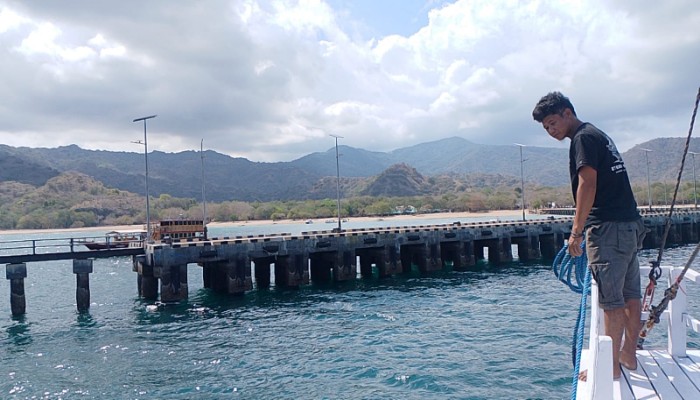
Is it Safe to Sail from Lombok to Labuan Bajo? The Shocking Truth Every Traveler Must Know Before Boarding!
The journey from the volcanic landscapes of Lombok to the dragon-filled islands of Komodo is often described as the ultimate rite of passage for any adventurer in Southeast Asia. This four-day, three-night sea expedition crosses the vast Flores Sea, promising whale sharks, pink beaches, and starlit nights on the deck of a traditional wooden vessel. However, behind the glossy Instagram photos of turquoise water lies a serious question that every responsible traveler must ask: Is it safe to sail from Lombok to Labuan Bajo? The ocean is a powerful force, and the crossing involves navigating complex currents, unpredictable weather patterns, and varying standards of maritime safety. In 2026, the industry has seen significant improvements in regulation, but the safety of your trip still depends heavily on your choice of operator, your timing, and your personal preparation. Are you ready to risk a budget experience for a journey through some of the world’s most challenging straits, or will you prioritize the technical standards that guarantee a return to dry land?
The Geography of Risk: Understanding the Flores Sea
To assess the safety of this route, one must first understand the geographical challenges of the Indonesian archipelago. Sailing from Lombok toward Labuan Bajo means crossing the Sape Strait and moving along the northern coast of Sumbawa. These waters are where the Indian Ocean meets the Pacific, creating massive “tidal flushes” that can cause even large vessels to rock significantly. Modern travelers often use GPS tracking to monitor their progress, but the real safety factor is the captain’s knowledge of these underwater topographical features. The “Alas Strait” between Lombok and Sumbawa is generally calm, but as the boat moves further east toward Saleh Bay, the open sea exposure increases. Understanding that this is not a coastal cruise but an open-sea expedition is the first step in mental preparation.
The Sape Strait Challenge
The Sape Strait is notorious among sailors for its strong currents. During the transition between the wet and dry seasons, the water here can become turbulent. Safety in this area is managed by experienced crews who timing the crossing with the tides. If a boat operator attempts to push through a peak tidal surge to save time, the risk of engine strain increases. In 2026, many high-end vessels now use AIS (Automatic Identification System) to track other ships and monitor current speeds in real-time, providing a technological safety net that was unavailable a decade ago.
Vessel Integrity: Phinisi vs. Basic Cargo Boats
Not all boats in the Lombok harbor are built for the same purpose. The safety of your journey is directly tied to the structural integrity of the vessel you choose. A traditional Indonesian Phinisi is built with double-planked tropical hardwoods and is designed for the high seas. On the other hand, many budget “shuttle” boats are modified cargo vessels that may not have the same stability. When choosing a <a https://komodoindonesiatour.com, it is imperative to look for operators who invest in yearly dry-dock maintenance and hull inspections. A cheap price tag often means the operator is cutting costs on engine maintenance or safety equipment, which are the two most critical factors when you are 50 miles from the nearest port.
The Lifejacket and Life Raft Audit
Before the anchor lifts, every passenger should conduct their own “safety audit.” Does the boat have enough lifejackets for everyone, including the crew? Are the life rafts accessible, or are they buried under luggage? In a modern safety environment, these are not just suggestions; they are requirements. According to recent maritime safety updates from jelogilis.com, the Indonesian Coast Guard (Syahbandar) has increased random inspections at Bangsal and Kayangan harbors to ensure that manifest numbers match the life-saving equipment on board. If you see a boat that looks overcrowded, it is a clear sign that safety is being compromised for profit.
Seasonal Safety: The Impact of the Monsoon
The question of safety is inextricably linked to the month in which you travel. Indonesia has two main seasons: the dry season (April to October) and the rainy season (November to March). Sailing during the peak of the rainy season, particularly in January and February, is significantly more dangerous. During these months, the “West Monsoon” can bring high swells and sudden squalls that reduce visibility to zero. Many reputable companies will cancel their 4D3N departures if the wave height exceeds 2.5 meters. To explore the park safely, travelers are encouraged to check the BMKG (Indonesian Meteorological Agency) app, which provides localized sea weather forecasts that are essential for planning.
The Heat and Dehydration Factor
Safety isn’t just about the boat staying afloat; it’s about your physical well-being. The heat in the Flores Sea can be oppressive. Many travelers suffer from heat exhaustion, which can lead to poor decision-making during hikes on Padar Island. Actionable safety involves drinking at least 3 liters of water per day and using rehydration salts. A safe boat operator will provide unlimited mineral water and ensure that there is enough shade on the deck for all passengers. According to research published by komodoexplore.com, the most common medical emergencies on these tours are not related to the sea, but to severe dehydration and heatstroke among tourists who are not accustomed to the tropical sun.
Safety Technology: Essential Apps for the 2026 Traveler
In the modern era, you don’t have to rely solely on the crew for your safety. You can empower yourself with technology. Before you leave the harbor in Lombok, ensure you have the following digital tools installed on your smartphone: Windy.com: This app allows you to see real-time wind and swell data. If you see deep purple or red patches on the map for your route, it indicates high waves. Marine Traffic: This app uses AIS data to show you the positions of other ships. In a breakdown situation, knowing that there are other vessels nearby provides peace of mind. Google Maps (Offline): Download the map of the entire route from Lombok to Labuan Bajo. Even without a signal, your phone’s GPS can show you how far you are from the coast. First Aid by Red Cross: An offline app that provides step-by-step instructions for dealing with everything from jellyfish stings to broken bones.
The Human Element: Crew Training and Communication
A boat is only as safe as its crew. The best operators hire captains who have spent decades navigating these specific waters. During your initial inquiry, ask the https://komodoexplore.com best komodo tour operators about their crew’s emergency training. Do they conduct fire drills? Does the boat have a functioning VHF radio and a satellite phone? Communication is life. In the middle of the Flores Sea, cell service is non-existent. If the boat has a satellite communication device like a Garmin inReach or a Starlink maritime setup, the safety level of the trip increases exponentially because they can call for help or receive weather updates even in the most remote areas.
Fire Safety on Wooden Boats
Fire is a greater risk on a wooden boat than sinking. With kitchen galleys often using LPG gas and engine rooms filled with diesel fuel, fire safety is paramount. Check for fire extinguishers in the kitchen and near the engine room. Are the electrical wires in the cabins tidy, or are they a “spaghetti” mess of DIY connections? Modern Phinisi boats built after 2024 are required to have fire-retardant materials and smoke detectors in every cabin, which is a major leap forward for passenger safety in the region.
Health and Hygiene: Avoiding the “Boat Belly”
Safety also extends to the kitchen. Food poisoning at sea can be dangerous due to the risk of rapid dehydration. Safe operators prioritize hygiene by using treated water for washing vegetables and ensuring that fish is caught fresh or kept on ice. As a traveler, you can increase your safety by bringing your own hand sanitizer and avoiding raw seafood if the boat does not appear to have adequate refrigeration. If you have a severe allergy, it is safer to book a private tour where the chef can control cross-contamination, rather than a large group boat where the kitchen is crowded.
Practical Tips for a Secure Voyage
To ensure you are part of a safe expedition, follow these actionable techniques: Check the Manifest: Ensure your name is officially recorded in the harbor master’s manifest. This is your insurance and your legal record of being on the boat. Daylight Sailing: Prefer operators who primarily sail during the day and anchor in protected bays at night. Night sailing through reef-heavy areas increases the risk of grounding. The “Sniff Test”: When you board, check the smell of the cabin. A strong smell of diesel fumes can indicate an exhaust leak, which is a carbon monoxide hazard. Weather Buffers: Never book your return flight for the same day the boat is supposed to arrive in Labuan Bajo. Give yourself a 24-hour buffer in case the boat has to wait out a storm in a safe bay.
Booking Strategies: How to Filter the Safe from the Risky
The internet is full of “cheap” deals, but in the maritime world, you get what you pay for. When searching for a backpacker boat type specialist on https://komodoindonesiatour.com full day komodo tour or a multi-day expedition, read the most recent reviews specifically for mentions of safety gear. If a reviewer mentions that the engine broke down or that there weren’t enough lifejackets, believe them. A high-value subsection of the market now focuses on “Safety First” branding, where operators are transparent about their licenses, insurance coverage, and crew certifications. By choosing these vetted operators, you are investing in your own survival.
Conclusion: The Choice is Yours
So, is it safe to sail from Lombok to Labuan Bajo? The answer is a qualified yes. It is safe if you choose the right season, the right vessel, and the right operator. The Indonesian sea is a place of unmatched beauty, but it demands respect. In 2026, with the help of satellite technology, improved harbor regulations, and a more informed traveling public, the risks are lower than ever before. However, the final responsibility lies with you. Will you do your homework before stepping onto that wooden deck, or will you leave your safety to chance? The dragons of Komodo are waiting, but the journey to reach them should be as secure as it is spectacular.
Have you ever experienced a storm at sea, or do you have a favorite boat operator who made you feel incredibly safe? We want to hear your stories! Please share your experiences and safety tips in the comments below to help fellow travelers make the right choice for their next Indonesian adventure.

Maybe you are interested in reading the following article:

Private Komodo Boat Tour Only Way to Truly Discover Paradise
Every dedicated traveler has seen the familiar, stunning photographs: the iconic tri-colored, serpentine bays of Padar Island, the prehistoric, intimidating gaze of the legendary Komodo dragon, and the impossible, dreamlike pink hue of a legendary beach. These powerful images instantly spark a universal dream of profound adventure and discovery in one of the... read more

Komodo Cruise : Is cruise safe for solo female travelers?
Komodo Cruise: Is cruise safe for solo female travelers? The Brutal Truth Every Woman Needs to Know! The turquoise waters of East Nusa Tenggara hold a magnetic pull for the modern adventurer, offering a rare glimpse into a prehistoric world where dragons roam and manta rays glide through crystal-clear currents. For the solo female traveler,... read more

Sebayur Island: Komodo’s Secret Garden and the Volcano
From the deck of any standard Komodo tour from Labuan Bajo, the typical view is one of stark, primal, and immense drama. You see the jagged, famous peaks of Padar Island, the dragon-inhabited cliffs of Rinca, and the vast, arid savannah of Komodo itself. This is a powerful landscape that speaks only of survival, resilience,... read more


Komodo Luxury Cruise 4D3N: LBJ t...
*Start Rp 4.500.000 / Pax

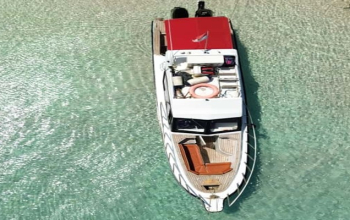

Komodo Luxury Cruise 4 Days 3 Ni...
*Start Rp 6.300.000 / Pax









Contact Us
If you have any questions, please contact us.
-
Hotline
62851-8392-9229 -
Whatsapp
085183929229 -
Email
labuanbajobooking@gmail.com


No comment yet