
- Full SupportFor reservations at least a week before sailing from Lombok to Komodo boat 4 days 3 nights
- New UpdateFor trips to Komodo Island departing from Lombok Island and Labuan Bajo to Lombok using a cruise ship, things have returned to normal
- NewsFor travel to Komodo Island from Labuan Bajo has returned to normal, please secure your seat.
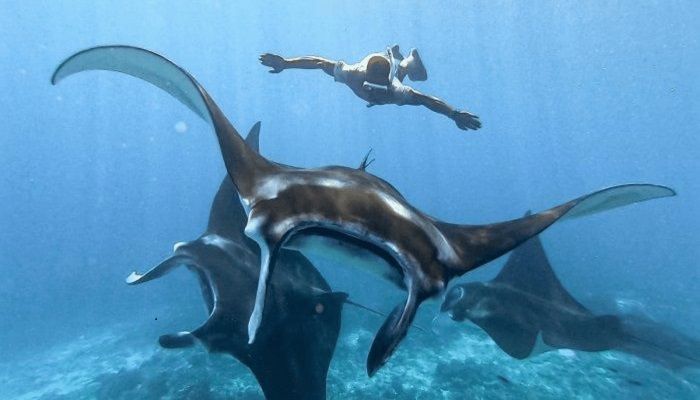
Diving with Manta Rays Komodo Best Months – The Ultimate Guide to Seeing Giant Mantas at the Perfect Time
Diving with manta rays in Komodo National Park is one of the most unforgettable underwater experiences in Indonesia. Imagine descending into warm tropical water while giant manta rays glide silently above coral reefs, moving gracefully through nutrient-rich currents. For many travelers joining a Labuan Bajo to Lombok Komodo tour, seeing manta rays becomes the highlight of the entire adventure. But here is the important question: when are the best months for diving with manta rays in Komodo?
The answer depends on ocean conditions, plankton movement, visibility, seasonal currents, and your diving goals. Some divers want crystal-clear water for underwater photography, while others prioritize large manta gatherings and stronger marine activity. Understanding these seasonal differences can dramatically improve your experience.
Komodo National Park, located in Indonesia between Sumbawa and Flores, is globally recognized for biodiversity. The park combines volcanic islands, powerful currents, colorful reefs, pelagic species, and year-round diving opportunities. However, manta ray encounters become significantly more predictable during specific months.
This guide explains the best months for manta ray diving in Komodo, practical planning techniques, marine safety, travel technology recommendations, underwater camera tips, eco-tourism ethics, and expert advice for both beginners and advanced divers.
Why Komodo National Park Is Famous for Manta Ray Diving
Komodo National Park is part of the Coral Triangle, one of the richest marine ecosystems on Earth. Nutrient-rich waters flowing between the Indian Ocean and the Flores Sea create ideal feeding grounds for reef manta rays.
Unlike some diving destinations where manta sightings are occasional, Komodo offers relatively consistent encounters throughout the year. Divers frequently observe mantas feeding, circling cleaning stations, and swimming near drift dive channels.
The combination of strong currents and healthy coral ecosystems creates ideal environmental conditions. Mantas are attracted to plankton-rich waters, especially near cleaning stations where small fish remove parasites from their bodies.
What Makes Komodo Different from Other Manta Destinations?
- High chance of year-round manta sightings
- Warm tropical water temperatures
- Excellent drift diving opportunities
- Healthy coral reef ecosystems
- Large marine biodiversity
- Multiple manta dive sites in one region
- Combination of luxury and budget liveaboard options
According to information summarized on Wikipedia, Komodo National Park was originally established to protect the Komodo dragon but later gained international recognition for extraordinary marine biodiversity.
Diving with Manta Rays Komodo Best Months Explained
The best months for diving with manta rays in Komodo are generally between October and April. During this period, plankton concentrations increase, attracting larger numbers of manta rays to southern dive sites.
However, conditions vary depending on whether you dive in North Komodo or South Komodo.
October to December – Peak Manta Activity Begins
October marks the transition toward wetter conditions. Plankton production begins increasing, which attracts more manta rays into feeding areas.
During these months:
- Water visibility remains relatively good
- Manta sightings become increasingly frequent
- Ocean temperatures stay comfortable
- Dive crowds are lower compared to peak tourism periods
- Underwater photography conditions remain excellent
This period is ideal for travelers seeking balance between visibility and manta activity.
January to March – Best Overall Months for Manta Encounters
Many experienced dive guides consider January through March the best period for manta ray diving in Komodo. Increased plankton blooms attract larger manta gatherings, especially around Manta Point and Makassar Reef.
You may encounter:
- Groups of reef manta rays
- Feeding behavior near surface currents
- Longer interaction times
- More active cleaning stations
- Frequent sightings during single dive trips
The trade-off is slightly reduced visibility because plankton-rich water contains more suspended particles. But if your main goal is seeing mantas, these months are exceptional.
April – Excellent Transition Season
April often combines good visibility with stable manta sightings. Rainfall begins decreasing, sea conditions improve, and diving becomes more comfortable for beginners.
This month is ideal for:
- Beginner divers
- Drone photography tours
- Snorkeling with mantas
- Liveaboard trips
- Labuan Bajo island-hopping adventures
May to September – Better Visibility but Fewer Mantas
Dry season brings clearer water and calmer weather in many northern dive sites. Visibility may exceed 25 meters, making this period perfect for underwater photography and wide-angle reef shots.
However, manta sightings become slightly less predictable compared to wet season months.
Does this mean you will not see manta rays? Not at all. Mantas remain present year-round in Komodo, but feeding aggregations become less intense.
Best Dive Sites for Seeing Manta Rays in Komodo
Manta Point
Manta Point is the most famous manta ray dive site in Komodo National Park. Located in South Komodo, this site attracts mantas because of strong nutrient-rich currents.
Divers often see:
- Cleaning behavior
- Feeding circles
- Large adult mantas
- Juvenile manta rays
- Occasional eagle rays
Currents can be powerful, so listening carefully to dive briefings is essential.
Makassar Reef
Makassar Reef, often called Manta Point North, is famous for long sandy channels where manta rays cruise gracefully above divers.
This site is excellent for:
- Beginner drift diving
- Snorkeling encounters
- GoPro footage
- Wide-angle photography
- Natural manta observation
Karang Makassar
Karang Makassar is a cleaning station zone where mantas circle repeatedly while cleaner fish remove parasites.
Patient divers who remain calm and avoid chasing mantas often experience close encounters.
How Weather Affects Manta Ray Sightings
Weather directly influences ocean currents, plankton density, and visibility. Understanding these patterns helps travelers choose the ideal season.
Wet Season Conditions
- Higher plankton levels
- More manta feeding activity
- Slightly lower visibility
- Warmer water temperatures
- Occasional heavy rainfall
Dry Season Conditions
- Better underwater visibility
- Calmer surface conditions
- Excellent reef photography
- Cooler water in southern sites
- Fewer plankton blooms
Using marine weather apps before your trip can improve planning dramatically.
Best Apps and Technology for Planning Your Dive Trip
Modern travelers rely heavily on technology to improve dive safety and trip efficiency.
Recommended Apps
- Windy App for marine weather forecasting
- Google Maps for Labuan Bajo logistics
- DiveMate for dive logging
- My Tide Times for current tracking
- AccuWeather for rainfall monitoring
- Komoot for island exploration planning
Would you trust ocean conditions without checking tide forecasts first? Most experienced divers never do.
How to Reach Komodo from Labuan Bajo
Labuan Bajo serves as the main gateway to Komodo National Park. Travelers typically arrive via domestic flights from Bali or Jakarta.
Transportation Options
- Daily speedboat tours
- Luxury liveaboard cruises
- Budget backpacker boats
- Private charter vessels
- Labuan Bajo to Lombok Komodo tour boats
Many travelers combine diving with multi-day sailing trips between Lombok and Flores.
A travel article on komodoexplore.com highlights that multi-day island-hopping tours allow visitors to experience both diving and iconic viewpoints such as Padar Island during the same expedition.
Liveaboard vs Day Trip Diving
Advantages of Liveaboards
- Access remote dive sites
- Early morning dives
- Better manta timing flexibility
- More dives per day
- Photography opportunities during golden hour
Advantages of Day Trips
- Lower cost
- Flexible schedules
- Suitable for casual divers
- Comfortable hotel stays in Labuan Bajo
- Easier for families
Underwater Photography Tips for Manta Rays
Capturing manta rays underwater requires preparation and patience.
Recommended Camera Equipment
- GoPro Hero series
- DJI Osmo Action cameras
- Sony underwater compact systems
- Red filter lenses
- Wide-angle dome ports
Photography Techniques
- Do not chase mantas
- Stay low and calm
- Use natural light whenever possible
- Shoot upward angles for dramatic silhouettes
- Keep bubbles minimal
One common beginner mistake is swimming directly toward mantas. This often scares them away.
Marine Conservation and Responsible Diving
Manta rays are vulnerable species affected by pollution, fishing pressure, and irresponsible tourism. Sustainable diving practices are essential.
Responsible Diver Rules
- Never touch manta rays
- Maintain safe distance
- Avoid blocking movement paths
- Do not feed wildlife
- Use reef-safe sunscreen
- Choose eco-certified operators
According to Wikipedia, reef manta rays are protected in Indonesian waters because of their ecological and tourism value.
How Strong Are Komodo Currents?
Komodo currents are famous worldwide. They can change quickly due to tidal movement between islands.
Current Safety Tips
- Always dive with certified guides
- Use reef hooks only when permitted
- Listen carefully during briefings
- Check SMB equipment before diving
- Monitor air consumption frequently
Strong currents create nutrient-rich conditions that support manta populations, but they also require respect and preparation.
Snorkeling with Manta Rays in Komodo
Non-divers can also experience manta encounters through snorkeling tours.
Best Snorkeling Conditions
- Calm morning sessions
- Slack tide periods
- Experienced local guides
- High-visibility days
- Protected reef areas
Snorkelers often see mantas surprisingly close to the surface during feeding activity.
Best Time for Beginner Divers
Beginner divers should prioritize calmer conditions and moderate currents.
Recommended Months for Beginners
- April
- May
- September
- October
These months often provide a good balance between manageable currents and decent manta activity.
Advanced Diving Opportunities in Komodo
Experienced divers visiting Komodo often combine manta dives with:
- Deep drift dives
- Night dives
- Shark encounters
- Macro photography dives
- Current-intensive channels
Advanced certifications significantly improve access to challenging dive sites.
Budget Planning for a Komodo Dive Trip
Average Daily Costs
- Budget backpacker: USD 50–100
- Mid-range dive traveler: USD 150–300
- Luxury liveaboard guest: USD 400–1000+
Additional Expenses
- National park fees
- Dive equipment rental
- Nitrox upgrades
- Marine camera rentals
- Travel insurance
Why Manta Rays Matter to Komodo Tourism
Manta rays contribute significantly to eco-tourism in Flores and Komodo National Park.
Healthy manta populations support:
- Local employment
- Sustainable tourism businesses
- Marine conservation funding
- Dive industry growth
- Environmental education
Protecting mantas is not only about biodiversity. It also supports long-term economic sustainability for local communities.
Combining Diving with a Labuan Bajo to Lombok Tour
Many travelers extend their diving journey into a multi-day sailing adventure from Labuan Bajo to Lombok.
Popular Stops Along the Route
- Padar Island
- Pink Beach
- Moyo Island
- Kenawa Island
- Whale shark zones near Sumbawa
A feature published on komodoexplore.com explains that combining diving, trekking, snorkeling, and island camping creates a more immersive Flores-to-Lombok experience compared to standard resort vacations.
What to Pack for Manta Ray Diving
Essential Equipment
- Reef-safe sunscreen
- Quick-dry clothing
- Dive certification cards
- Dry bags
- Motion sickness medication
- Power banks
- Waterproof phone cases
Optional But Helpful Items
- Portable drone
- Underwater torch
- Neoprene hood
- Travel router
- Noise-canceling earbuds
Internet and Connectivity in Labuan Bajo
Connectivity has improved significantly in recent years.
Most hotels, cafes, and dive shops provide Wi-Fi, although island signal quality varies. Travelers working remotely often use Telkomsel SIM cards because coverage is stronger around Flores and Komodo waters.
How Climate Change Impacts Manta Ray Habitats
Climate change influences ocean temperatures, coral reef health, and plankton ecosystems.
Potential impacts include:
- Coral bleaching
- Food chain disruption
- Migration pattern changes
- Ocean acidification
- Extreme weather variability
Sustainable tourism choices can help reduce environmental pressure.
Common Mistakes Travelers Make
Booking Without Seasonal Research
Some travelers choose dates based only on cheap flights instead of marine conditions.
Ignoring Current Warnings
Komodo currents are powerful and should never be underestimated.
Using Cheap Unlicensed Operators
Always verify certifications, safety equipment, and guide experience.
Overpacking Heavy Gear
Lightweight travel systems work best for island-hopping routes.
Can You Dive with Mantas Without Certification?
Yes, introductory discovery dives are available through licensed dive centers.
However, certified divers gain access to more advanced sites and safer experiences.
Best Time of Day to See Mantas
Morning dives often provide the calmest surface conditions and active cleaning station behavior.
Afternoon dives can still be productive, especially during plankton-rich tidal movement.
What Marine Life Can You See Besides Mantas?
- Sea turtles
- Reef sharks
- Napoleon wrasse
- Macro nudibranchs
- Barracuda schools
- Dolphins
- Whale sharks occasionally
Komodo is not only about manta rays. The marine biodiversity is extraordinary throughout the year.
Conclusion: When Should You Dive with Manta Rays in Komodo?
If your main priority is seeing the highest number of manta rays, January to March is generally considered the best season for manta encounters in Komodo National Park. During this period, nutrient-rich waters attract feeding mantas in impressive numbers.
If you prefer clearer visibility and calmer diving conditions, April, May, and September offer an excellent balance between comfort and marine activity.
The truth is that Komodo remains one of the world’s greatest manta ray destinations throughout the year. Whether you join a luxury liveaboard or a backpacker-style Labuan Bajo to Lombok Komodo tour, the experience of watching giant mantas glide through tropical currents is unforgettable.
Would you prefer crystal-clear visibility or massive manta feeding activity? That choice alone can shape your perfect Komodo adventure.
If you have visited Komodo or plan to dive with manta rays soon, share your thoughts, favorite season, or travel questions in the comments. Your experience could help future travelers plan the ultimate Komodo diving journey.

Maybe you are interested in reading the following article:

Komodo National Park Tours Float Paradise of Taka Makassar
Hidden between the turquoise waters of Komodo Island and the deep blue channel near Manta Point lies Taka Makassar, a breathtaking sandbar that looks like a tiny crescent moon from above. This small island of white and pink sand is one of the most beautiful hidden gems inside Komodo National Park, Indonesia. Though it might... read more
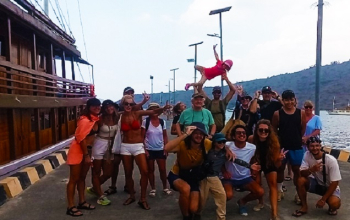
The Journey Begins on Komodo Tours: Kayangan Harbor
The journey from Kayangan Harbor in East Lombok to Labuan Bajo in Flores is one of the most breathtaking sailing routes in Indonesia. It is not just a trip between two islands, it’s a voyage across turquoise waters, ancient volcanic landscapes, and untouched islands that tell the story of Indonesia’s maritime beauty. With Bose KomodoExplore.com,... read more
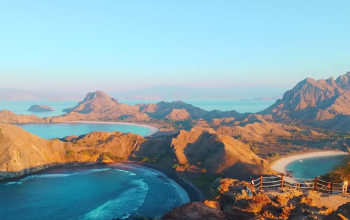
Komodo island from singapore
Komodo Island from Singapore (Ultimate 2026 Travel Guide That Saves You Time and Money) Traveling to Komodo Island from Singapore has become one of the most exciting Southeast Asia adventures for modern travelers seeking wildlife, island landscapes, luxury sailing, and world-class snorkeling. With smarter flight connections, digital booking platforms, and im... read more
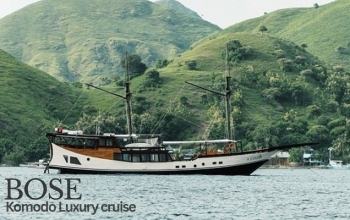

Luxury Komodo Cruise 4D 3N – L...
*Start Rp 4.725.000 / Pax

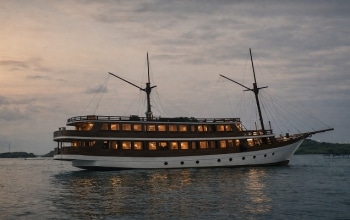
Labuan Bajo, Flores to Lombok 4D...
*Start Rp 6.500.000 / Pax

Luxury Cruise Komodo departs fro...
*Start Rp 4.500.000 / Pax
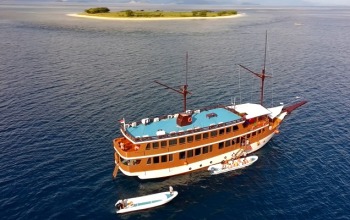
Komodo Luxury Cruise Lombok to L...
*Start Rp 7.000.000 / Pax
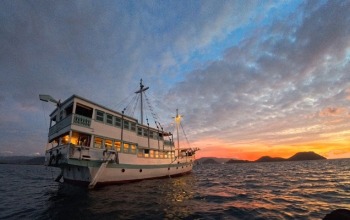
Komodo Cruise Labuan Bajo to Lom...
*Start Rp 4.750.000 / Pax









Contact Us
If you have any questions, please contact us.
-
Hotline
62851-8392-9229 -
Whatsapp
085183929229 -
Email
labuanbajobooking@gmail.com


No comment yet